







Search Results for: Drying Techniques

What types of sun-dried processing methods are there for coffee beans? A full analysis of the differences between natural and semi-natural processing techniques.
The impact of coffee processing methods on green bean flavor is akin to the influence of winemaking techniques on wine; different processing methods can bring out completely distinct characteristics. This article will systematically outline the origins, procedures, and flavor traits of the natural process, and compare the similarities and differences among mainstream methods such as the washed process, semi-washed process, and honey process, helping enthusiasts understand the logic behind each processing method and its expression in the cup. The article also combines several representative beans from Front Street Coffee to provide specific purchasing references. [more…]
A Complete Guide to Coffee Bean Processing Methods: The Differences Between Traditional Washed, Natural, and Honey Processing and Anaerobic Fermentation Flavor-Enhancing Techniques
After coffee cherries are picked, they must go through a series of processing steps before they become the green beans we are familiar with, and different processing methods directly determine the direction of the flavor in the cup. Washed, natural, and honey processing are the three classic methods, and there are also diverse techniques such as semi-washed, semi-natural, and in-body fermentation. In recent years, anaerobic fermentation and flavor-enhanced processing have also sparked much discussion—how exactly do they differ from conventional processing? This time, Front Street Coffee will guide everyone through a systematic overview of the classification of coffee processing methods and their respective characteristics, from the swampy green appearance of semi-washed beans, to the pectin-derived sweetness of honey processing, and then to the clean, bright character of washed beans, breaking down one by one the process, flavor performance, and representative producing regions of each technique, helping coffee lovers build a clear cognitive framework. [more…]
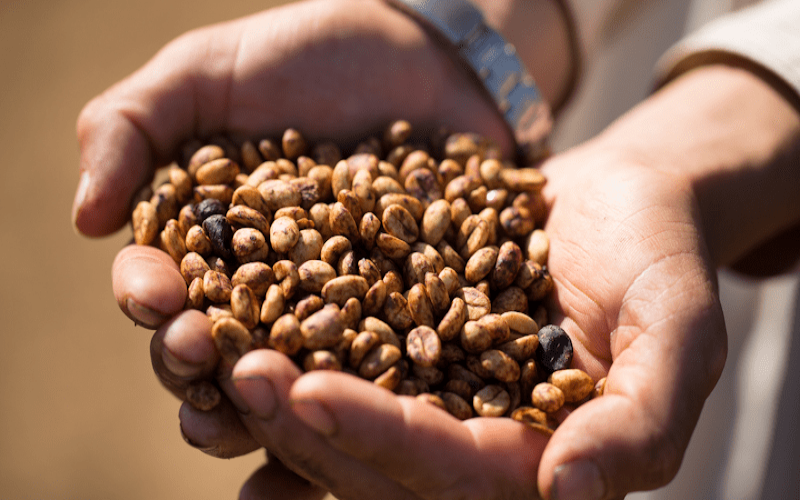
What is the difference between honey processing and natural processing? A detailed explanation of mucilage-retention techniques and the innovative raisin honey process
Among coffee processing methods, washed, natural, and honey processing are three common approaches. Honey processing, with its unique technique of retaining mucilage during drying, achieves a more exquisite balance in flavor. From Brazil's pulped natural to Costa Rica's yellow, red, and black honey grading, and on to the raisin honey process that has become popular in recent years, this processing method has continuously evolved into a rich array of variations. This article will systematically review the origins of honey processing, the various grading standards, and its core differences from natural and washed processing, with a focus on introducing the innovative workflow and flavor characteristics of raisin honey processing. It will also recommend several classic honey-processed coffee beans from Front Street Coffee to help coffee enthusiasts gain a deeper understanding of the appeal of this processing method. [more…]
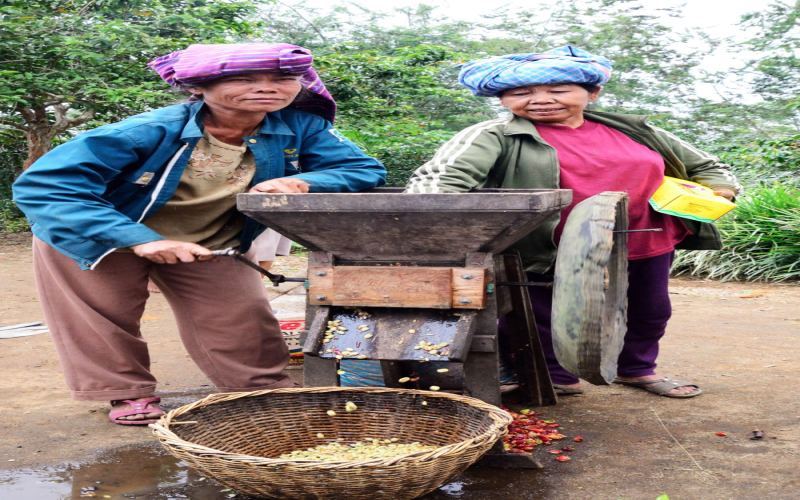
Analysis of Indonesia's Wet-Hulling Method: Comparing Peeled Sun-Dried and Honey Processing Techniques and Flavors
The green coffee bean processing method has a decisive influence on the final flavor. In addition to variety and origin, the processing method is also a key link in shaping coffee's personality. Currently, the mainstream methods include natural, washed, and the in-between semi-washed (wet-hulled), Brazilian pulped natural, and honey processing, among others. This article will provide a detailed explanation of three processes: Indonesian wet-hulled, pulped natural, and honey processing, covering their respective operational steps, flavor characteristics, roasting recommendations, and brewing parameters, and will combine bean examples from Front Street Coffee for cupping comparisons, helping readers systematically understand the taste differences brought by different processing methods. [more…]
Wuyi Rock Tea vs. Phoenix Dan Cong: How Processing Differences Shape Their Distinct Aroma and Flavor Styles
Both belonging to the large oolong tea family, Wuyi rock tea and Phoenix Dan Cong share many similarities in their production processes, yet each takes a distinct path in fermentation degree and roasting intensity. Rock tea leans toward emphasizing body and seeking aroma, while Dan Cong excels at emphasizing aroma and seeking body. The former undergoes more thorough and complete leaf shaking, while the latter is relatively lightly processed, resulting in a significant divergence in mouthfeel richness and aromatic expression. This article will systematically break down the primary and refining processes of both, and deeply analyze how key techniques such as double pan-firing and double rolling, and slow simmering over low heat, impart rock tea its unique character, while also revealing the logic behind Phoenix Dan Cong's light fermentation and light roasting that highlights floral aromas. Whether you are a rock tea devotee or a Dan Cong enthusiast, you will gain a clear understanding of the craftsmanship. [more…]
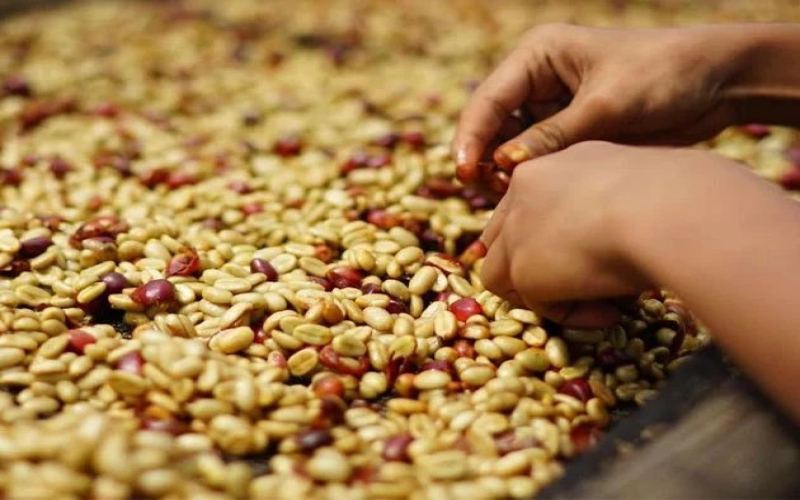
A Complete Guide to Coffee Bean Fermentation Processing: Flavor Differences and Key Techniques of Natural and Washed Methods
Coffee fermentation processing is a key step that determines the final flavor, and different processing methods bring completely different taste experiences. Starting from the basic principles of fermentation, this article systematically sorts out the characteristics of dry fermentation and wet fermentation, and analyzes in detail the specific processes and flavor trends of the three common processing methods: natural, honey, and washed. Whether you are a beginner coffee enthusiast or a seasoned player hoping to refine your brewing skills, understanding the differences among these processing methods can help you more accurately select and taste coffee beans. The article also specifically introduces the unique features of Ethiopian-style and Kenyan-style washing, as well as related product recommendations from Front Street Coffee, taking you into the wonderful world of green coffee processing. [more…]
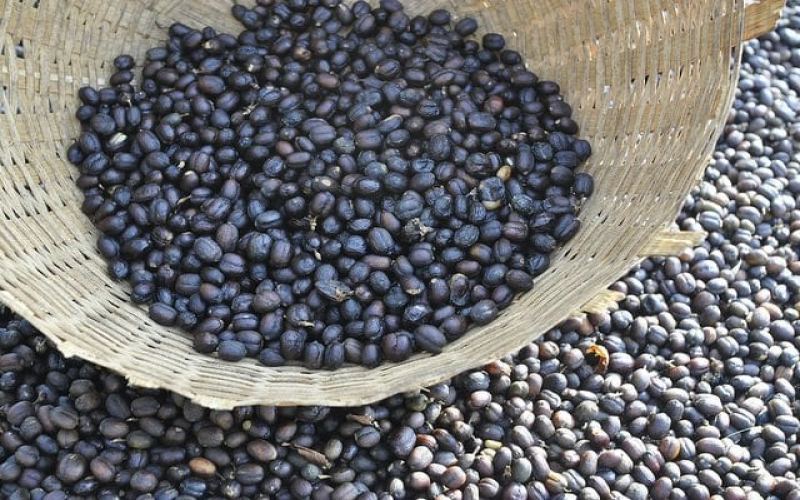
A Comprehensive Analysis of the Natural Process: From Traditional Drying to the Flavor Code of Specialty Coffee
The natural process is the oldest method of processing coffee beans, drying coffee cherries together with their pulp under the sun, known in English as Natural. This processing method maximizes the retention of sugars and aromas in the pulp, giving the coffee beans rich tropical fruit flavors, full-bodied fermentation notes, and sweetness. However, traditional natural processing was once heavily criticized for inconsistent quality control, until the rise of the specialty coffee wave, when refined natural processing techniques revived this ancient method. This article will guide you through the principles of the natural process, its historical evolution, the revolutionary significance of the Red Cherry Project, as well as recommendations and brewing parameters for several Front Street natural process coffee beans, allowing you to deeply experience the unique charm of natural coffee. [more…]

Complete Guide to Roasting Golden Mandheling: Practical Techniques from Drying to First Crack and Brewing Recommendations
Golden Mandheling is known for its rich body and caramel sweetness, and is usually suited to dark roasting. Using Front Street Golden Mandheling as an example, this article explains the entire process in detail, from green bean processing information to roast dehydration, first crack judgment, and then brewing parameters. You will learn the key points of dehydrating wet-hulled green beans, the balancing techniques between caramelization and carbonization, and how to use a KONO dripper with 88°C water to extract a more balanced and full-bodied flavor. Whether you are a roasting beginner or a pour-over enthusiast, you can gain practical, actionable reference from it. [more…]
Ethiopian Yirgacheffe Natural Bean Flavor Analysis: A Complete Overview of Taste Characteristics from Origin Cultivation to Processing Techniques
Yirgacheffe is one of Ethiopia's most representative specialty coffee regions, and naturally processed Yirgacheffe beans are especially renowned for their intense fruity aromas and distinctive sweetness. This article will guide you through Yirgacheffe's origin background, cultivation methods, flavor characteristics, and how the natural processing technique creates its captivating taste. From lemon and floral notes to honeyed sweetness, from traditional sun-drying to rigorous sorting procedures, we offer a comprehensive analysis of this single-origin coffee highly praised by coffee enthusiasts. Front Street Coffee will also recommend Yirgacheffe natural beans worth trying, helping you find your ideal flavor. [more…]
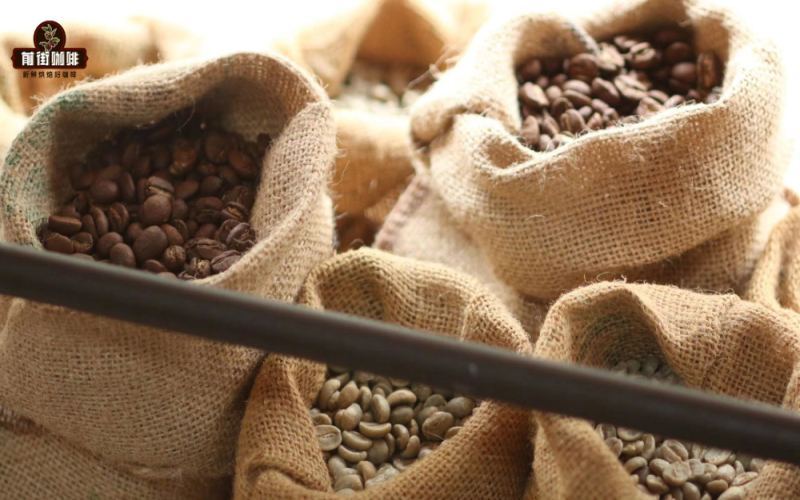
Starbucks Autumn Blend Coffee Beans Flavor Analysis: Pour-Over Techniques and Processing Methods for a Latin American Blend
Starbucks Autumn Blend coffee beans, also known as Thanksgiving Blend coffee beans, is a seasonally available blended coffee. It is a proportional blend of two classic beans: Sumatra and Guatemala Antigua. This article will analyze the characteristics of coffee beans from the Asia/Pacific region and Latin America from two dimensions: regional flavor and processing method, and provide a detailed introduction to the differences between the washed process and the semi-washed process. At the same time, the article reviews the story of how this coffee bean came to be and pairing suggestions. For enthusiasts who want to gain a deeper understanding of blending logic or try pour-over brewing, there are practical suggestions from Front Street Coffee at the end of the article, which are worth reading. [more…]
In-Depth Analysis of the Super Natural Process: A Comprehensive Introduction to Its Principles and Coffee Bean Flavor Characteristics
Super Natural is an innovative green bean processing method that has attracted considerable attention in the coffee industry in recent years, introducing more refined fermentation and drying management techniques on the basis of traditional natural processing. By regulating temperature, stacking thickness, drying rhythm, and fruit wrapping, Super Natural can give coffee beans richer flavor layers and more stable quality performance. This article will systematically explain the core principles of Super Natural processing, outline its key characteristics that distinguish it from ordinary natural processing, and introduce the specific effects of this processing method on coffee flavor, helping coffee enthusiasts gain a deeper understanding of the unique aspects of this processing technique. [more…]
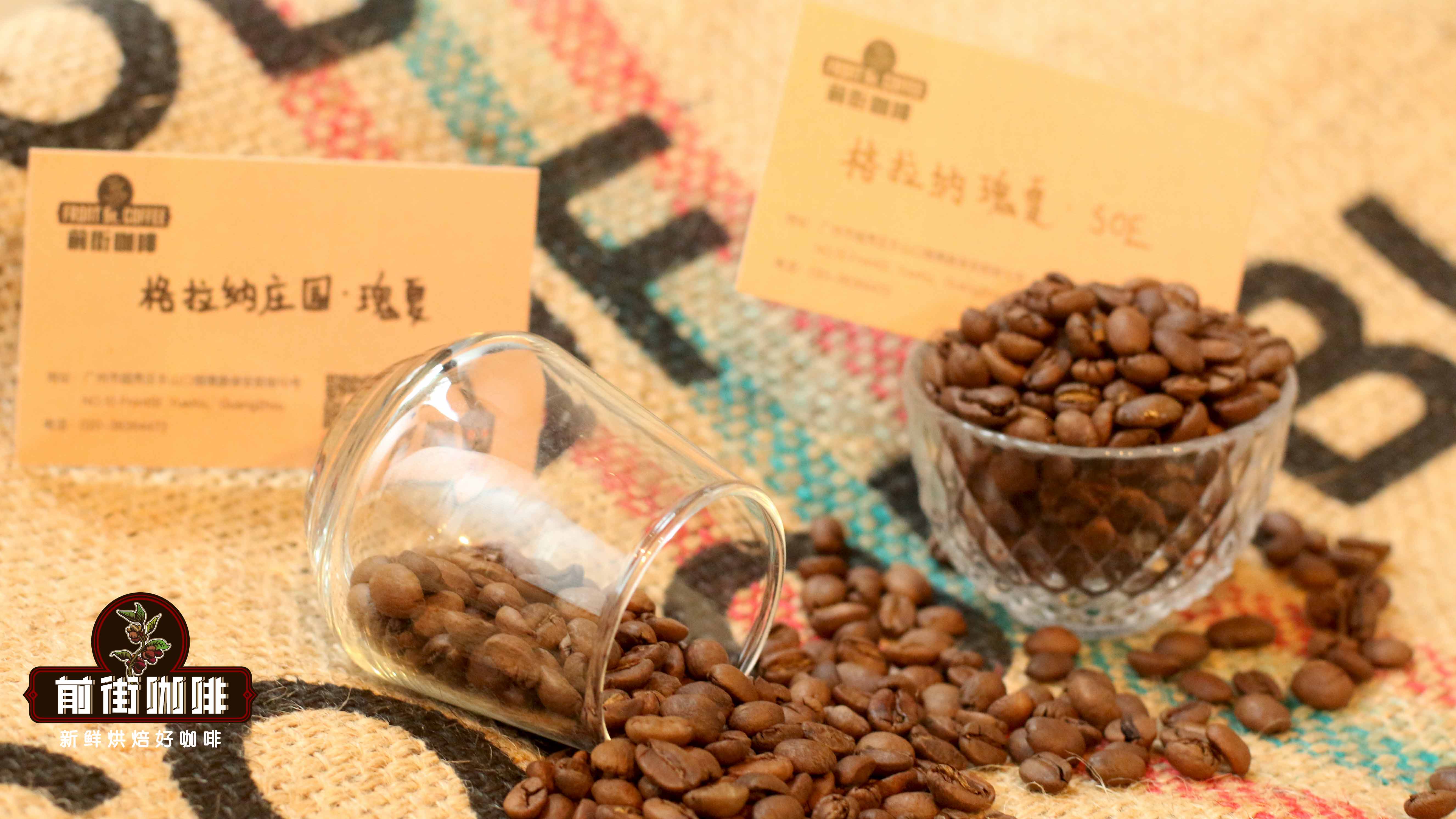
A Detailed Guide to the Pour-Over Techniques and Parameters for Ethiopian Grana Estate Natural Heirloom Geisha
The Grana Estate heirloom Geisha natural coffee from the Guji region of Ethiopia showcases rich, layered flavors of strawberry jam, pineapple, and apricot, thanks to the fertile soil of the primeval rainforest and the raised-bed natural drying process. This medium-light roasted Geisha alternates between bright acidity and sweetness, with a brown sugar-like finish that is highly approachable. Want to recreate its elegance with a pour-over at home? This article shares Front Street Coffee's recommended brewing parameters—from grind size and coffee-to-water ratio to water temperature control—to help you easily brew this cup of fruit-forward goodness. [more…]

Costa Rica Musician Series Chopin Coffee Bean Flavor Analysis and Pour-Over Sweetness Enhancement Techniques
A new member joins the Costa Rica Musician Series—Chopin coffee beans. Hailing from Canet Estate, this bean is renowned for its rose aroma and pronounced sweetness. This article provides a comprehensive analysis of the flavor code of Chopin coffee beans, covering the terroir of the producing region, the raisin honey processing method, the characteristics of the Yellow Catuai variety, the roasting curve, and cupping performance. At the same time, Front Street Coffee shares pour-over parameters and staged extraction techniques, and compares the flavor differences at water temperatures of 92°C and 90°C, helping coffee enthusiasts find the best brewing method to enhance sweetness, allowing the rose-like sweet fragrance of this Chopin to bloom fully in the cup. [more…]

Costa Rican Coffee Micro-Lot Guide: A Full Analysis of Terroir Characteristics Across Eight Major Regions and Honey Processing Techniques
Costa Rica is one of the representative origins of specialty coffee in Central America, divided into eight major coffee regions nationwide, each nurturing distinctly styled coffees through its unique terroir. This article, from the perspective of Front Street Coffee's bean selection, systematically reviews Costa Rica's regional distribution and the influence of altitude and climate on flavor, with a focus on comparing two beans: the Tarrazú washed daily drinker and the Giant Stone Estate blueberry anaerobic heavy honey process. It also details the processing differences among white honey, yellow honey, red honey, and black honey, and includes Front Street's standard brewing parameters to help coffee enthusiasts more clearly understand the flavor divide between washed and honey processing in the cup. [more…]
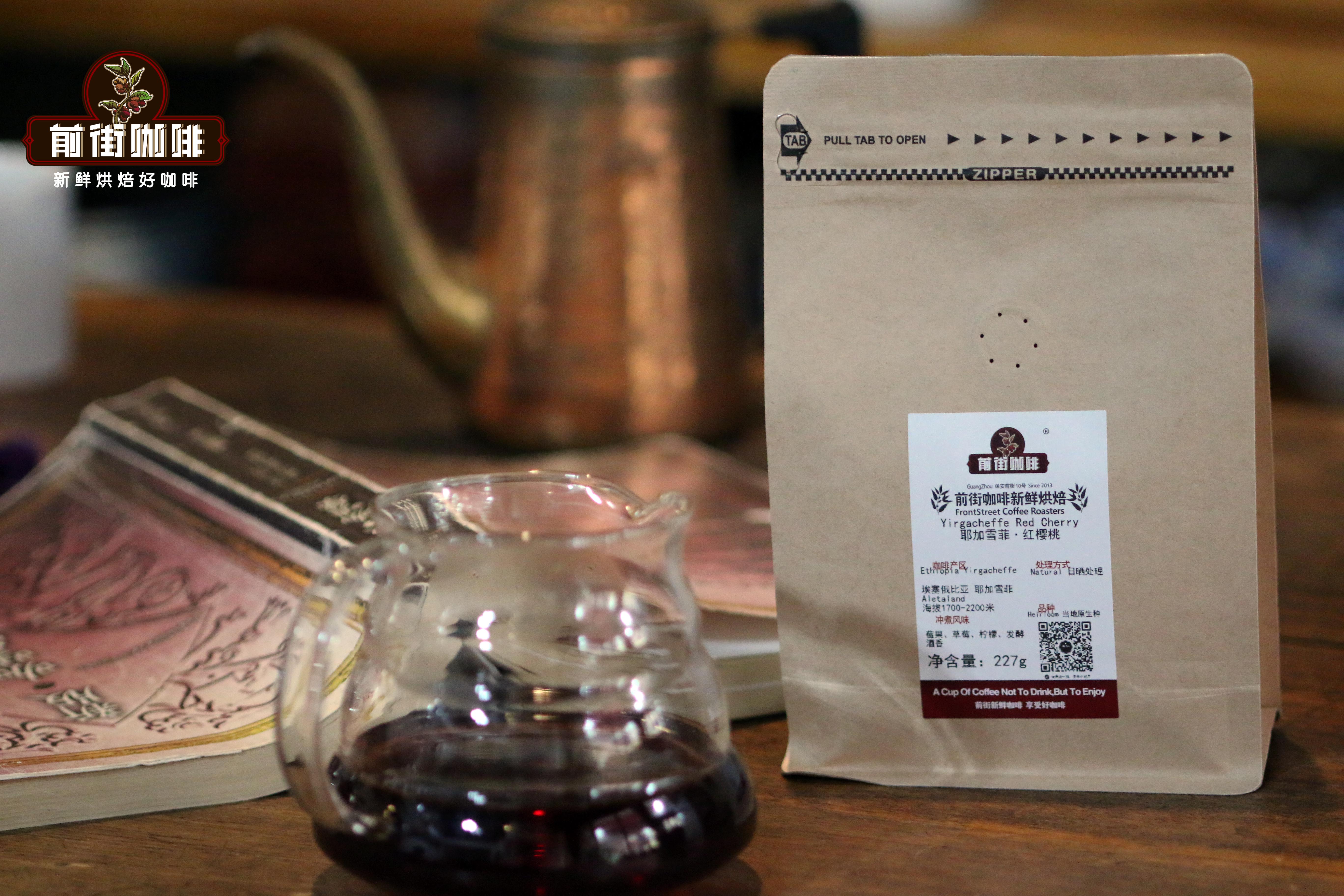
Ethiopian Yirgacheffe Coffee Bean Region Analysis: Washed vs. Natural Flavor Differences and Pour-Over Techniques
Yirgacheffe is where many coffee lovers take their first step into the world of specialty coffee. This highland region in southern Ethiopia, with its unique microclimate and processing methods, produces a cup profile reminiscent of floral and fruity tea. This article systematically traces the origins of the Yirgacheffe growing region, the flavor tendencies of the two major processing methods—washed and natural—and, drawing on Front Street Coffee's bean lineup and brewing experience, offers readers a complete reference from bean selection to extraction. [more…]

Front Street Coffee Rose Valley Double Anaerobic Enzyme Washed Process Explained: A Complete Guide to Flavor Sources and Brewing Techniques
Front Street Rose Valley coffee beans have become a favorite among many coffee lovers thanks to their unique flavors of rose, peach, and liqueur chocolate. Where exactly does this bean's alluring aroma come from? The answer lies in the double anaerobic enzyme washed processing method it uses. This article will break down each stage of this processing method step by step, from the coffee cherry's first anaerobic fermentation to the coffee bean's second enzyme anaerobic stage, and then to the drying stage, helping readers understand the principles behind the formation of these special flavors. At the same time, in response to the brewing difficulties of this type of anaerobically processed coffee bean, the article will also share practical techniques such as grind size calibration, water temperature control, bloom assessment, and three-pour brewing, so that you can consistently bring out the rich fruity aroma and sweetness of Front Street Rose Valley at home. [more…]
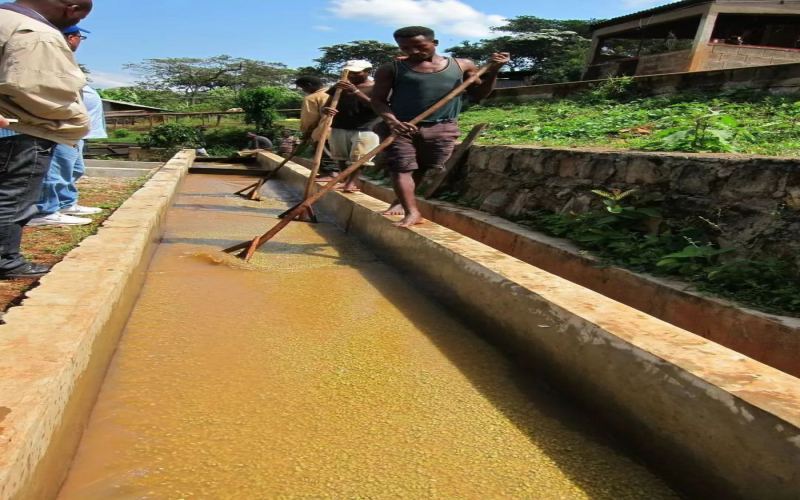
A Complete Guide to Kenyan Coffee Bean Washed Processing: Flavor Differences Between Double Washing, K72, and Dry Fermentation
The washed process is one of the most traditional and most favored methods of green coffee processing in the specialty coffee world, and Kenya, as an important producing region for washed processing, has developed a variety of improved techniques such as double washed, K72 washed, and dry fermentation washed. What are the origins of these variously named processing methods? How do they differ from conventional washed processing? And what flavor expressions do they each impart to coffee? From the perspective of Front Street, this article will trace the historical origins of the washed process, break down one by one the procedural characteristics and cup presentations of the various Kenyan washed techniques, and help you more clearly understand the logic and appeal behind these processing methods. [more…]
From a Seed to a Cup of Coffee: A Complete Analysis of the Coffee Bean Life Cycle and Processing Techniques
Have you ever been like Front Street Coffee, filled with curiosity about the story behind the cup of coffee you drink every day? From the seed first planted to the final rich aroma in the cup, a coffee bean must go through multiple stages: cultivation, picking, post-processing, transportation, roasting, grinding, and extraction. The Arabica coffee tree has strict requirements for its growing environment—temperature, rainfall, altitude, and soil are all indispensable. After picking, the coffee cherries must also undergo processing such as sun-drying before they become green beans, and then through roasting they develop their captivating flavors. This article will take you through the complete journey of a coffee bean from the field to the cup, helping you understand how each step affects the final flavor. [more…]
An Analysis of the Cultivation Origins, Main Producing Regions, and Honey Processing Techniques of Costa Rican Coffee
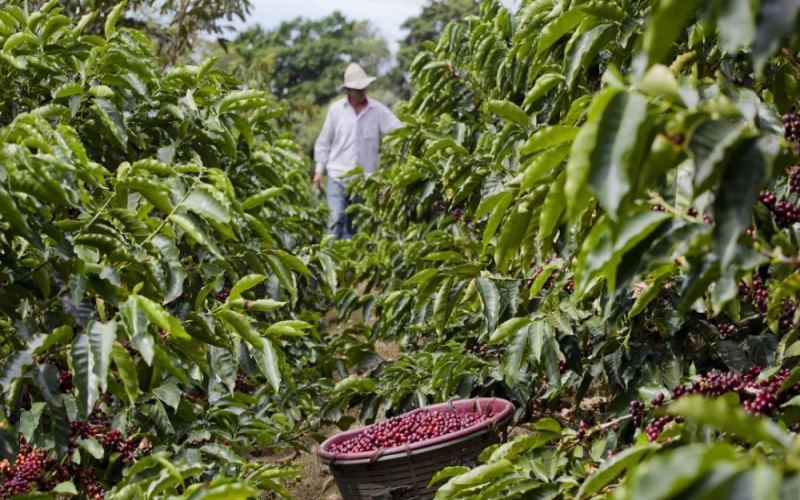
Costa Rica is one of the pioneers of coffee cultivation in Central America. Through strict variety control and its uniquely favorable volcanic geography, it has produced specialty coffees with a distinctive style. This article reviews the country's coffee industry from its beginnings to its setbacks, outlines the distribution of its main producing regions, and focuses on the terroir characteristics of the Tarrazu region and the flavor performance of Front Street Coffee's Costa Rica everyday beans. At the same time, the article also explains the origins and evolution of honey processing, explains why Front Street insists on choosing washed processing in its everyday bean series, and includes V60 pour-over parameters and three-stage pouring suggestions to help coffee lovers gain a more complete understanding of the appeal of Costa Rican coffee. [more…]
Yirgacheffe Coffee Bean Flavor Analysis: A Complete Guide to Washed vs. Natural Processing Differences and Pour-Over Techniques
Yirgacheffe is Ethiopia's most iconic specialty coffee region, renowned for its bright acidity and fresh floral aromas. Starting from the region's history and geographical environment, this article analyzes how the two major processing methods—washed and natural—affect coffee flavor, and compares the cupping performance of two beans: Front Street Coffee's washed Gedingding Cooperative and Front Street Coffee's natural Red Cherry. For each processing method, it details pour-over parameters such as grind size selection, V60 dripper usage, water temperature control, and coffee-to-water ratio, helping coffee enthusiasts adjust their brewing approach according to each bean's characteristics and fully bring out Yirgacheffe's captivating flavor layers. [more…]